Holidays. . . or Not So Holy?

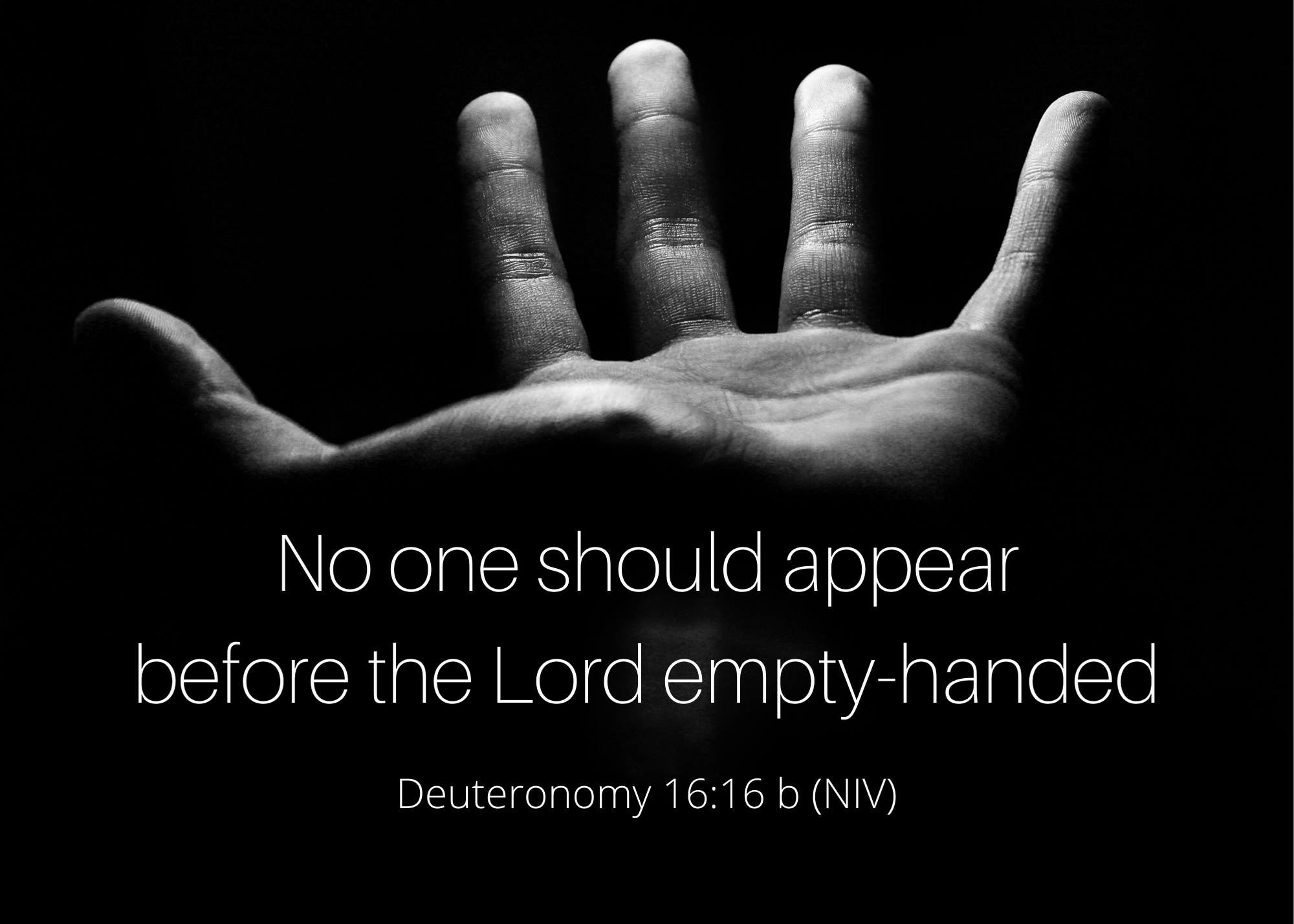
Persons on their deathbed are often able to put their things in order and make final arrangements before they die; so too in the case of Moses. Instructions are given about how the poor are to be treated and the ordinances for the freeing slaves. Once again, the commandment is stated about celebrating the three major pilgrim festivalsPassover, Pentecost (“Weeks”) and Tabernacles.

We often take for granted the yearly celebration of festivals and holidays. Of course, the word “holiday” is from “holy day.” Originally, the Lord commanded such celebrations as a way to fill the year with remembrances of God’s saving activity on behalf of God’s people. We are responding to the instruction given by God through Moses. How do you celebrate holidays? Are they holy … or not so holy?

Deuteronomy 15:1—16:17

Learn about Bible Breaths Learn More…
Example: You’re blessing me here and now 15:4

The Saturday passages follow the reading list that Jewish people use in their synagogue worship
throughout the world. They are taken from
“The Torah,” the first five books of the Bible from Genesis to Deuteronomy
that are read each year beginning with autumn.

For all the Firestarters I recommend the ebook.  You will have the entire program of well over a thousand of these introductions with you on your phone or tablet. Check the menu options at the site for more information
Assurance

May you feel joy as you read the remarkable prophecy about the Messiah. Matthew 2:6 quotes Micah; Luke and John concur (Luke 2:4; John 7:42). Be alert to engrave special verses in your heart by writing with your hand.

The traditional liturgy for Good Friday uses 6:3–5 as the basis for “The Reproaches.” As a wounded lover, God asks the people what he has done to merit such rejection, then recalls the blessings poured out upon the Chosen People.

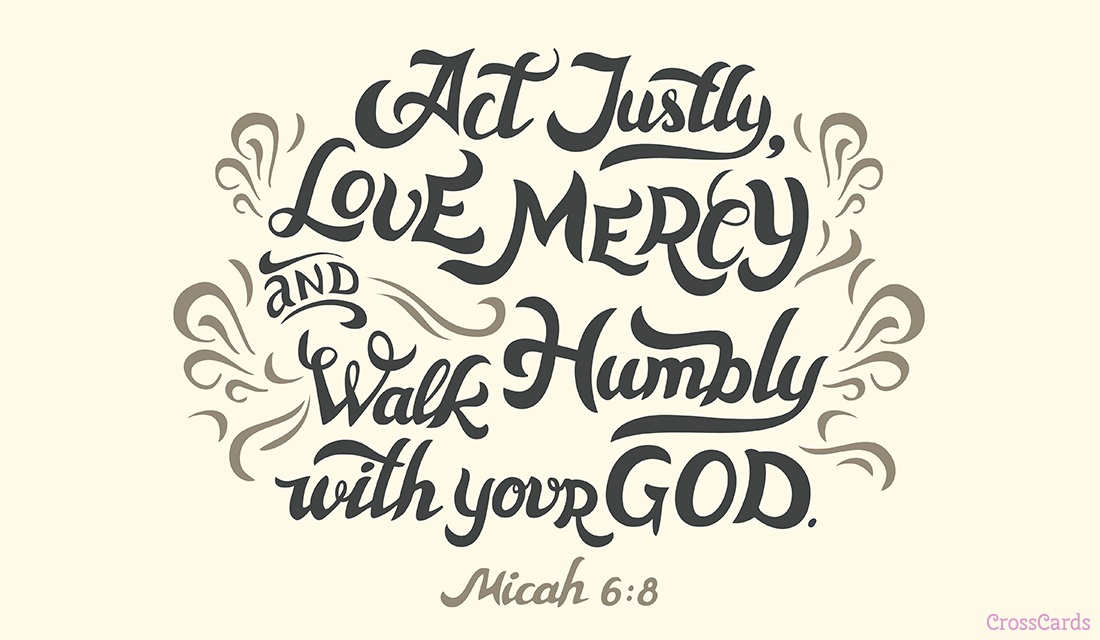
In 6:6, there is a contrast between the anxiety of the people when they come to conviction, and what the Lord requires: “Only this: to act justly, love tenderly, and walk humbly with your God” (6:8, Jerusalem Bible).

Find peace in the concluding image in v. 19. Unlike the Titanic, your sins will never be retrieved from the ocean floor!

Micah 5—7

Mondays are dedicated to the reading of the Hebrew Prophets.
In the season of Pentecost we read Amos to Nahum with Lamentations 4—5 in the Ninth Week.

What are “Bible Breaths”? Learn More…
Example: Act justly, love tenderly. 6:8

For all the Firestarters I recommend the ebook.  You will have the entire program of well over a thousand of these introductions with you on your phone or tablet. Check the menu options at the site for more information.

Jesus Between Us

Chapter 12 is an awesome message about the priorities for the Kingdom. There is no peace without cost to complacency; no serenity if there is compromise with the criteria for the Kingdom.

Recall the covenant that God made with Abraham in Genesis 15. Abraham was told to cut three animals in half—a heifer, a goat and a ram. A smoking torch passed between the halves as a sign of the sealing of the covenant of blood. In the same manner is the fire of Jesus’ passion for the covenant of the Kingdom expressed. The flame of his presence is to pass between the divisions that Jesus says will exists within families, spelling out in detail the oppositions that are to come.

Reflect upon the quality of the peace that exists in your household. What is it that tends to divide you? Are there aimless arguments that stem from pride, or the issues of the eternal Kingdom?

Luke 12:49–56

What are “Bible Breaths”? Learn More…
Example: Dividing for deeper peace v. 51

Sundays are dedicated to the Gospels from the Revised Common Lectionary.
In year C, we generally read from the Gospel of St. Luke.


For all the Firestarters I recommend the ebook.  You will have the entire program of well over a thousand of these introductions with you on your phone or tablet. Check the menu options at the site for more information.