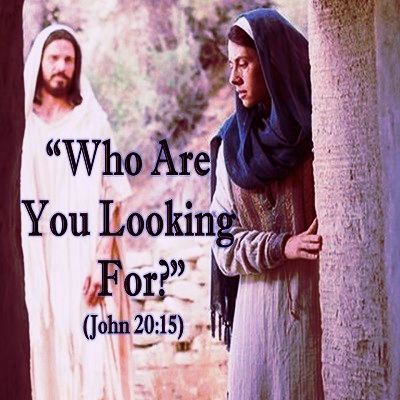
Joy and Sadness

Jesus arrives at Jerusalem, carried upon a donkey—sign of royalty. The King is taking possession of the Holy City, soon to become the heavenly Jerusalem.

Palm Sunday is a day with mixed emotions. There is the clear joy of the triumphal entry, but soon the crowd’s cry will change from “Hosanna” to “Crucify Him.” How the winds of the public can change!

The contrast of feeling is present in the liturgy of Palm Sunday—the exuberant beginning, then the later sober reading of the Passion. Become present to the two apparently conflicting emotions of joy and sadness. Both are true in our lives, whenever we love greatly.

Spend time Palm Sunday afternoon and evening with the movements of the Passion of Jesus according to Luke.

Luke 22:14—23:56

What are “Bible Breaths”? Learn More…
Example: Not my will but Yours be done. 22:46

Sundays are dedicated to the Gospels from the Revised Common Lectionary.
In year C, we generally read from the Gospel of Luke.

For all the Firestarters I recommend the ebook.  You will have the entire program of well over a thousand of these introductions with you on your phone or tablet. Check the menu options at the site for more information.

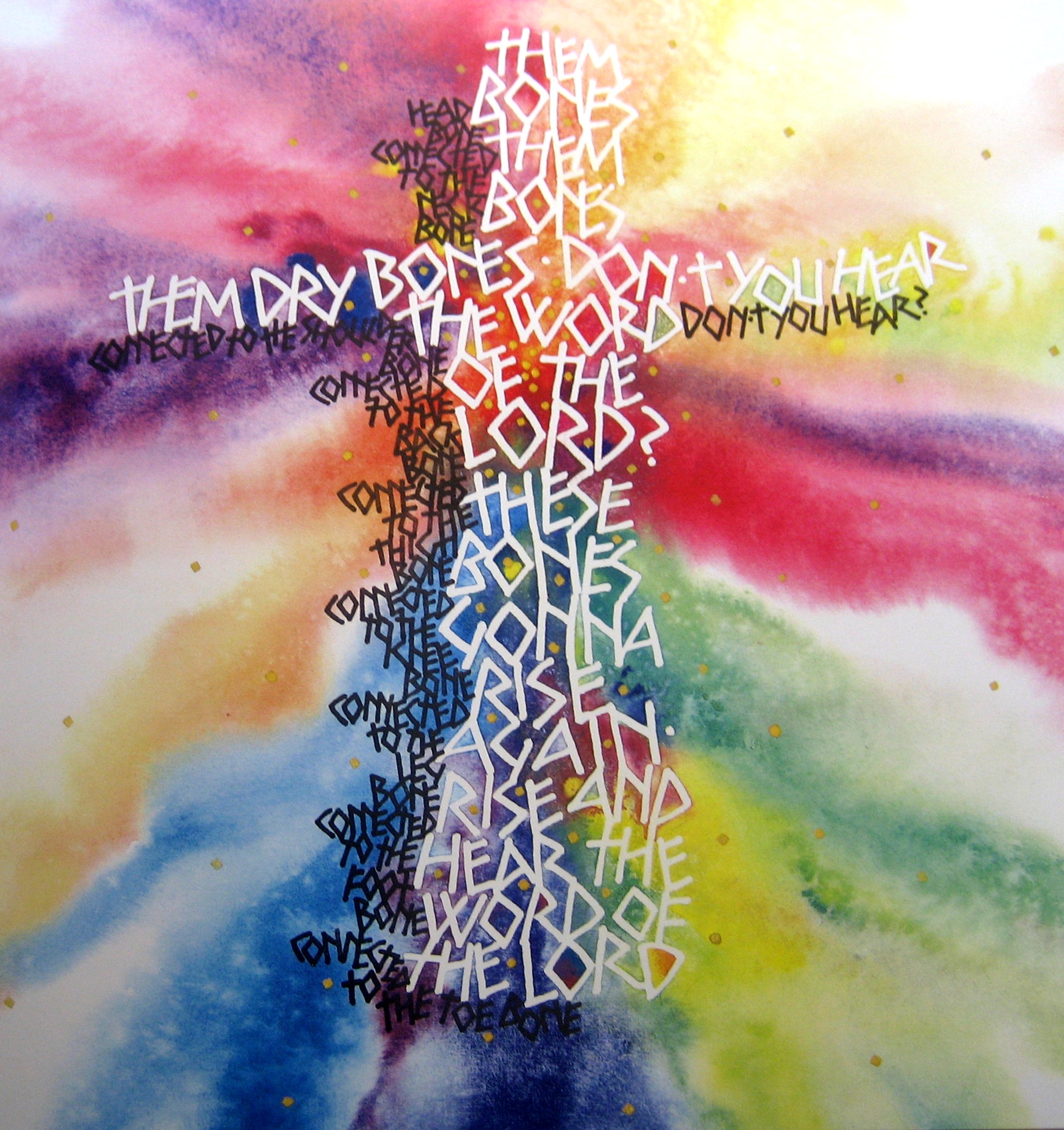
Discharges of the Heart

While we no longer interpret actual bodily discharges as making us unclean in God’s sight, there are truths in this reading. The key word throughout is “discharge”—what comes out of us.

Picture a fluid polluting an area as a symbol of the discharges of the heart that contaminate. Jesus said, “Those things which proceed out of the mouth come from the heart, and they defile a man” (Matt. 15:18).

Are there hurtful discharges in words that flow from your mouth? The expression on your face, the tone of your voice, the sound of your breathing, the language of your body: all these discharge either the stench of negativity or the sweet smell of holiness and love. Others can be drawn to God by the way you are.

Leviticus 15:1–33

Learn about Bible Breaths Learn More…
Example: Pure love flowing from my heart

The Saturday passages follow the reading list that Jewish people use in their synagogue worship
throughout the world. They are taken from
“The Torah,” the first five books of the Bible from Genesis to Deuteronomy
that are read each year beginning with autumn.

For all the Firestarters I recommend the ebook.  You will have the entire program of well over a thousand of these introductions with you on your phone or tablet. Check the menu options at the site for more information

Wholeness and Holines

Leprosy was a sign of death in a body alive. Such afflicted persons must keep apart from the rest of the people. No one was permitted to touch a leper, for fear of contagion and uncleanness coming upon the person. Such a person was obliged to call out “Unclean, unclean,” so that people would stay away.

Wholeness of body and holiness of spirit were always seen together for a Jew. That is the significance of Jesus’ approach to the leper, of not being afraid of becoming unclean by such contact. Jesus reverses the principle; only what Jesus does touch becomes whole and holy!

Leviticus 13:29–59

Learn about Bible Breaths Learn More…
Example: Keeping my inner house clean

The Saturday passages follow the reading list that Jewish people use in their synagogue worship
throughout the world. They are taken from
“The Torah,” the first five books of the Bible from Genesis to Deuteronomy
that are read each year beginning with autumn.

For all the Firestarters I recommend the ebook.  You will have the entire program of well over a thousand of these introductions with you on your phone or tablet. Check the menu options at the site for more information