God’s Word Exposed

Watch the power in one Hebrew wordGalah: “to reveal.” It literally means, “to uncover,” “to remove.” The Hebrew Scriptures often use this word for exposing the nakedness of someone, or to strip something bare. It is also the word used to take people into captivity, making them naked to their enemies. The protective covering of the homeland is wrenched away. Of the ten times that Amos uses the word, all have this meaning, except the meaning of “reveal” in the verse for the day.

The strong sense of action in the word galah suggests the power that comes upon the prophet as he experiences the naked word of God exposed to him. The early 8th century B.C. thundering voice of Amos also becomes a written word; Amos will lead the way in making prophecy a literary form.

What unique word is the Lord uncovering for you today?

Amos 3—4

Mondays are dedicated to the reading of the Hebrew Prophets.
In the season of Pentecost we read Amos to Nahum with Lamentations 4—5 in the Ninth Week.

What are “Bible Breaths”? Learn More…
Example: Returning to You, O Lord 4:6

For all the Firestarters I recommend the ebook.  You will have the entire program of well over a thousand of these introductions with you on your phone or tablet. Check the menu options at the site for more information.
Beyond All Bounds

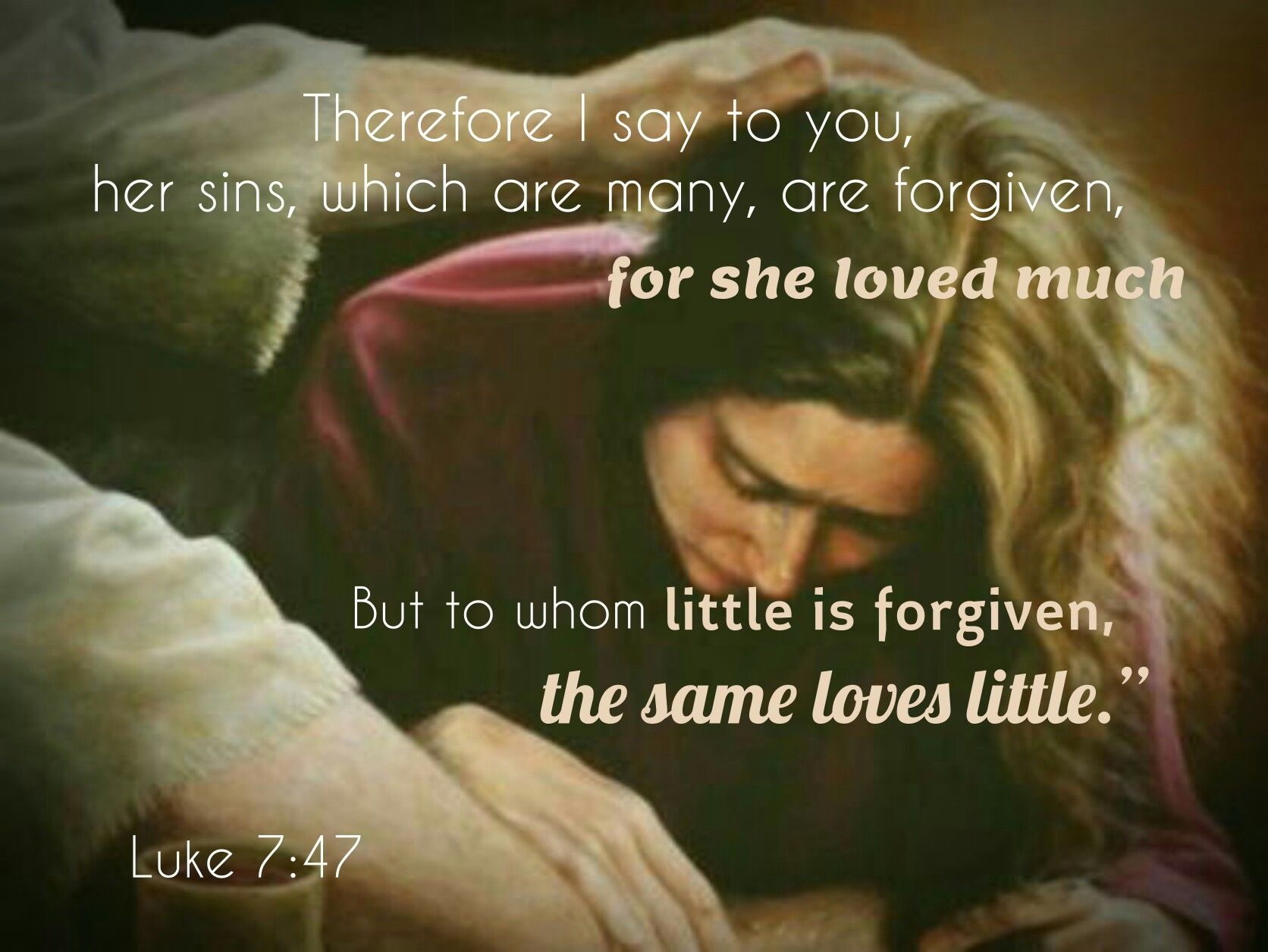
Two persons focus completely upon Jesus. One is a Pharisee and host of a dinner to which Jesus is invited, the other, a noted sinful woman in town. Obsessive thoughts and criticism of Jesus cripple the Pharisee’s heart. The woman is free beyond all bounds to pour out fragrant oil and love upon a man who has done something extraordinary for her.

What happened previously in each of these two person’s lives to account for their behaviors? The woman’s outburst of joy and love is in response Jesus’love, acceptance, and forgiveness of her. The Pharisee’s heart, empty of any need to be forgiven, spawns smug and arrogant thoughts.

Place yourself in the scene; be with Jesus at the dinner; open your heart completely to the One who loves and forgives you right now.

Luke 7:36—8:3

What are “Bible Breaths”? Learn More…
Example: Weeping at Your holy feet v. 38

Sundays are dedicated to the Gospels from the Revised Common Lectionary.
In year C, we generally read from the Gospel of St. Luke.


For all the Firestarters I recommend the ebook.  You will have the entire program of well over a thousand of these introductions with you on your phone or tablet. Check the menu options at the site for more information.

In Touch with God

Go beyond the details of the offerings and the repetitions of the objects offered, to the overall feeling of the passage. These are as the memorials offered when churches are built. The names of the families give a sense that they are part of the sacred building that is now complete and ready for worship.

The first and final verses of this chapter frame the content. Moses anoints the tabernacle and its furnishings, heightening the sense of the sacred. The passage closes with a description of how God communicates with the people—to Moses first, and through him to others. The chapter is about being in touch with God.

You have access to the presence of God through those speaking who are one with Jesus through the Holy Spirit. In Christ, you are greater than Moses!

Numbers 7:1–89

Learn about Bible Breaths Learn More…
Example: Listening to the Spirit

The Saturday passages follow the reading list that Jewish people use in their synagogue worship
throughout the world. They are taken from
“The Torah,” the first five books of the Bible from Genesis to Deuteronomy
that are read each year beginning with autumn.

For all the Firestarters I recommend the ebook.  You will have the entire program of well over a thousand of these introductions with you on your phone or tablet. Check the menu options at the site for more information